Textile Time Capsule Update: What We’ve Learned So Far

Thanks again to everyone following along. As we continue photographing and researching the textiles found tucked into the mud sill area of our 1905 home, the story is starting to come into clearer focus.
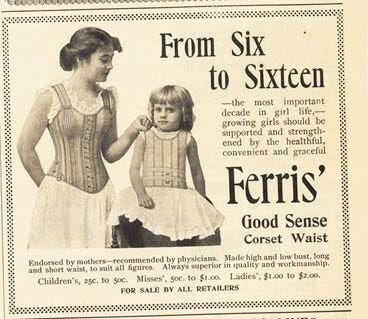
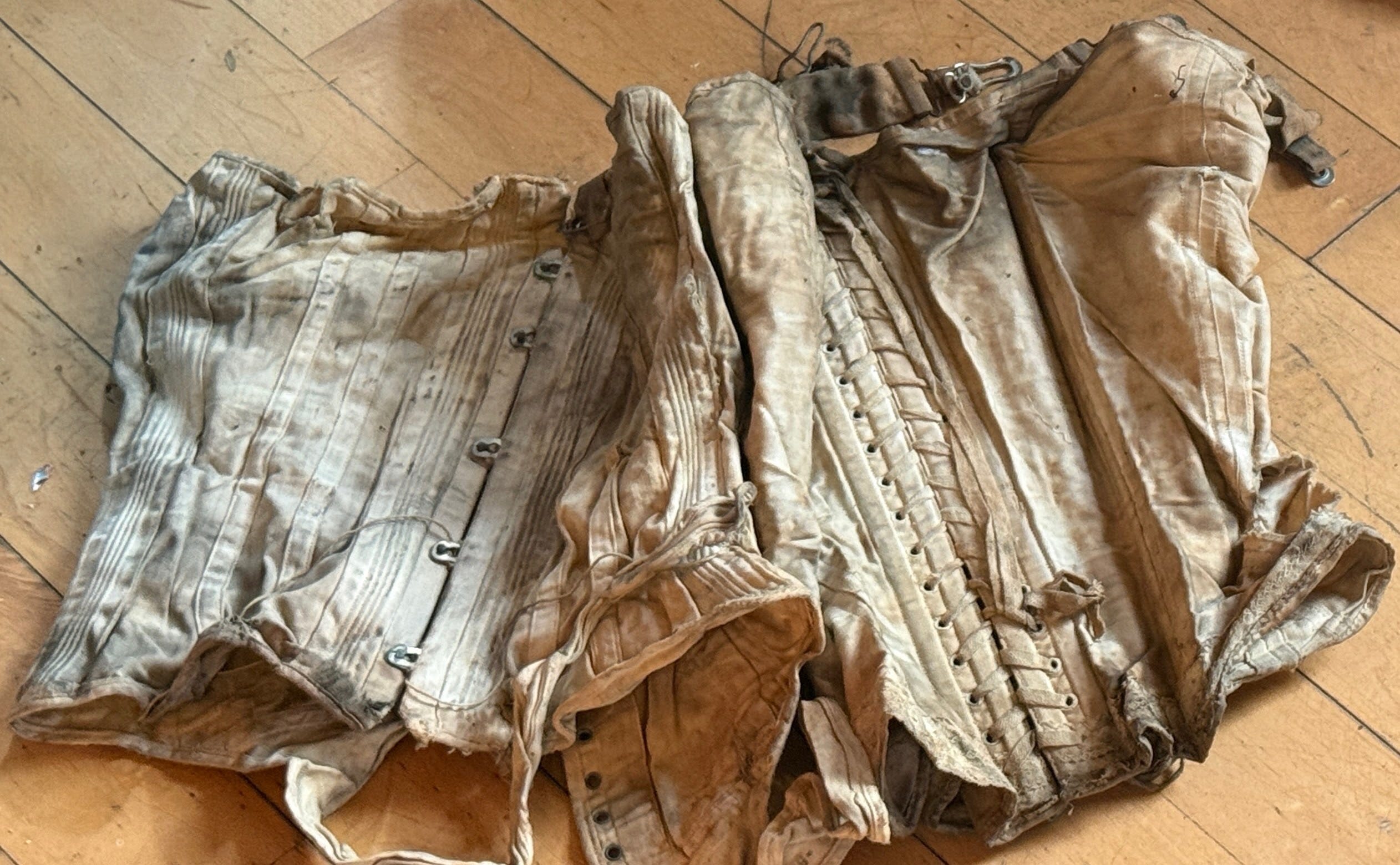
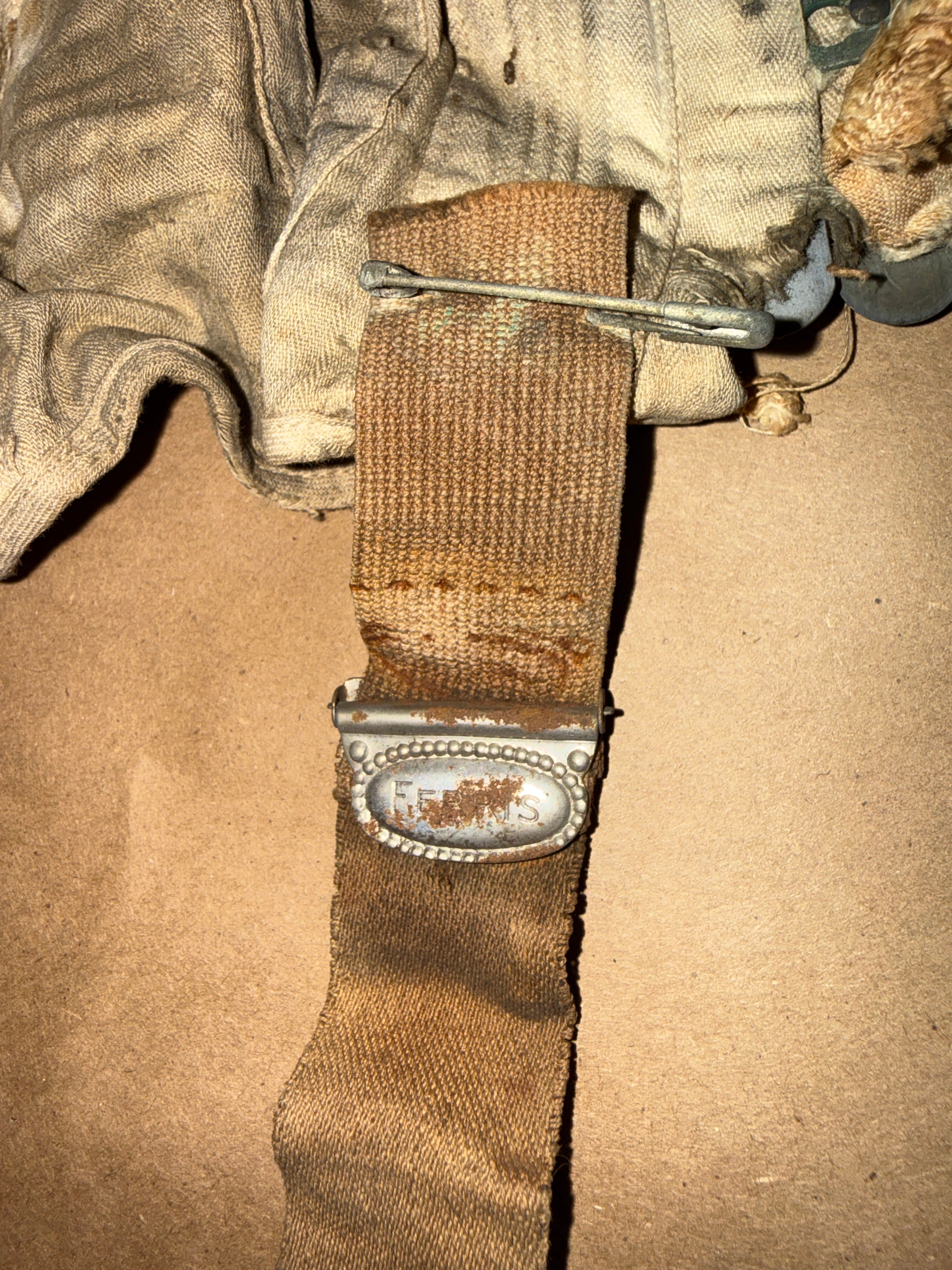
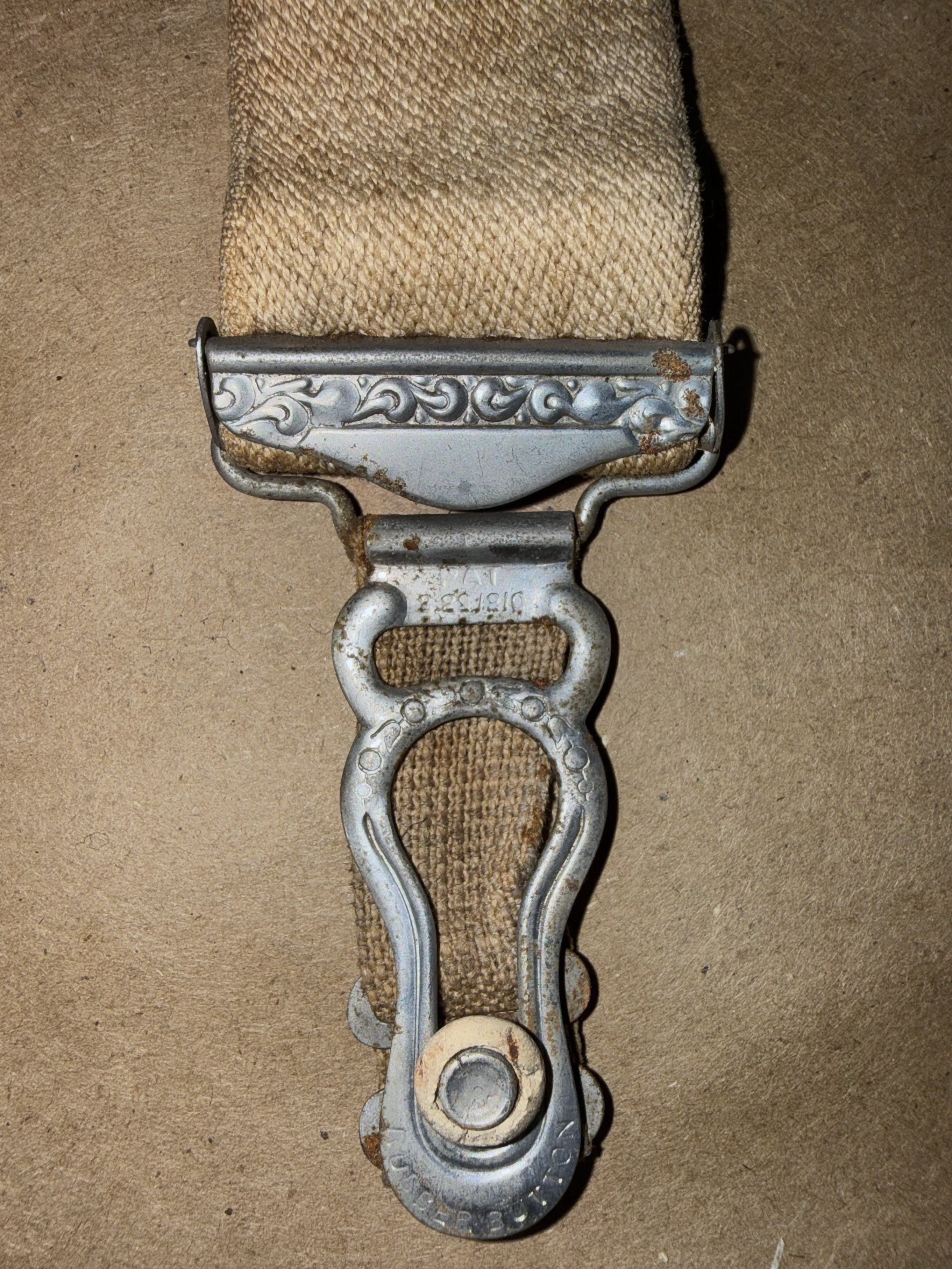
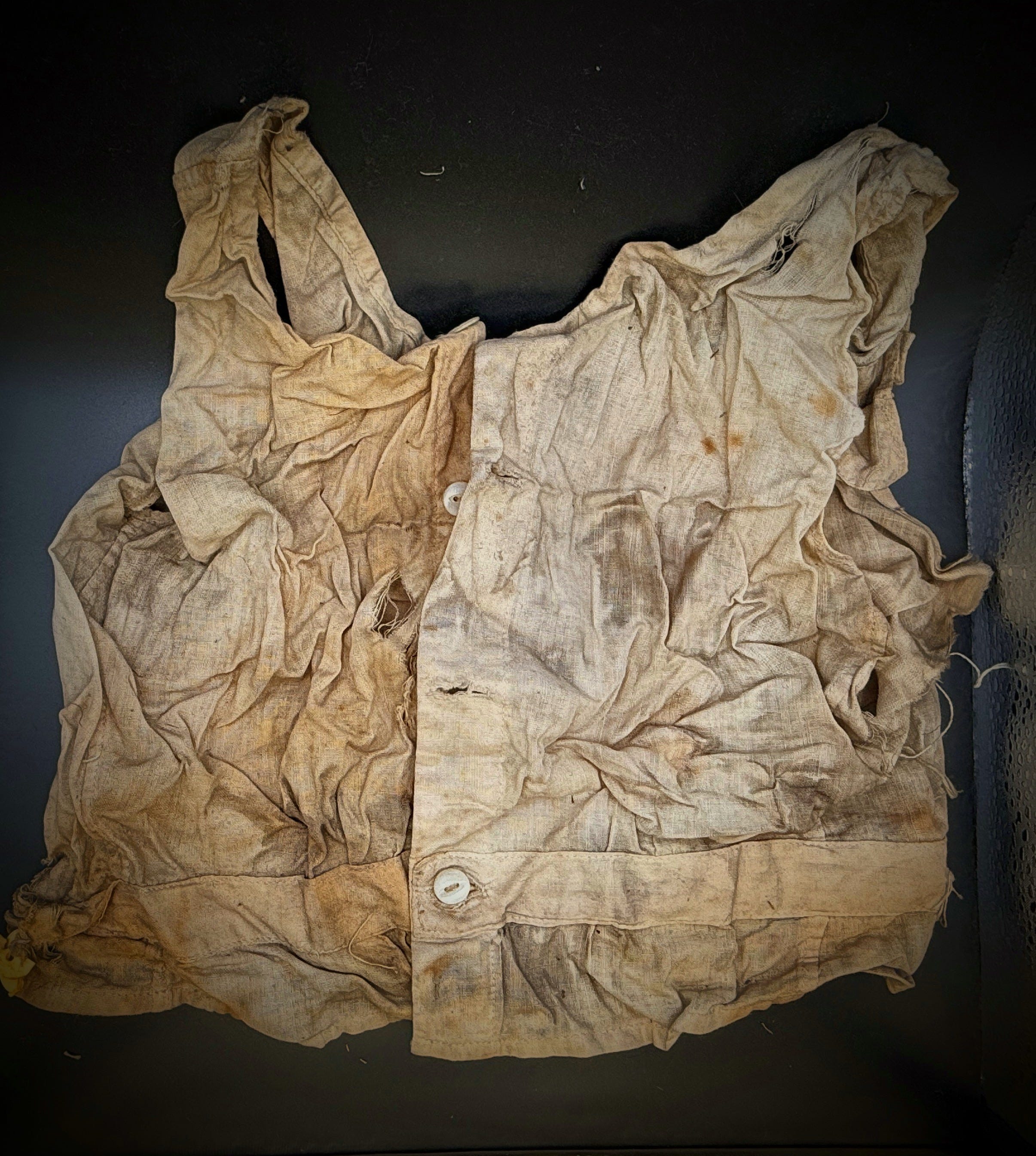
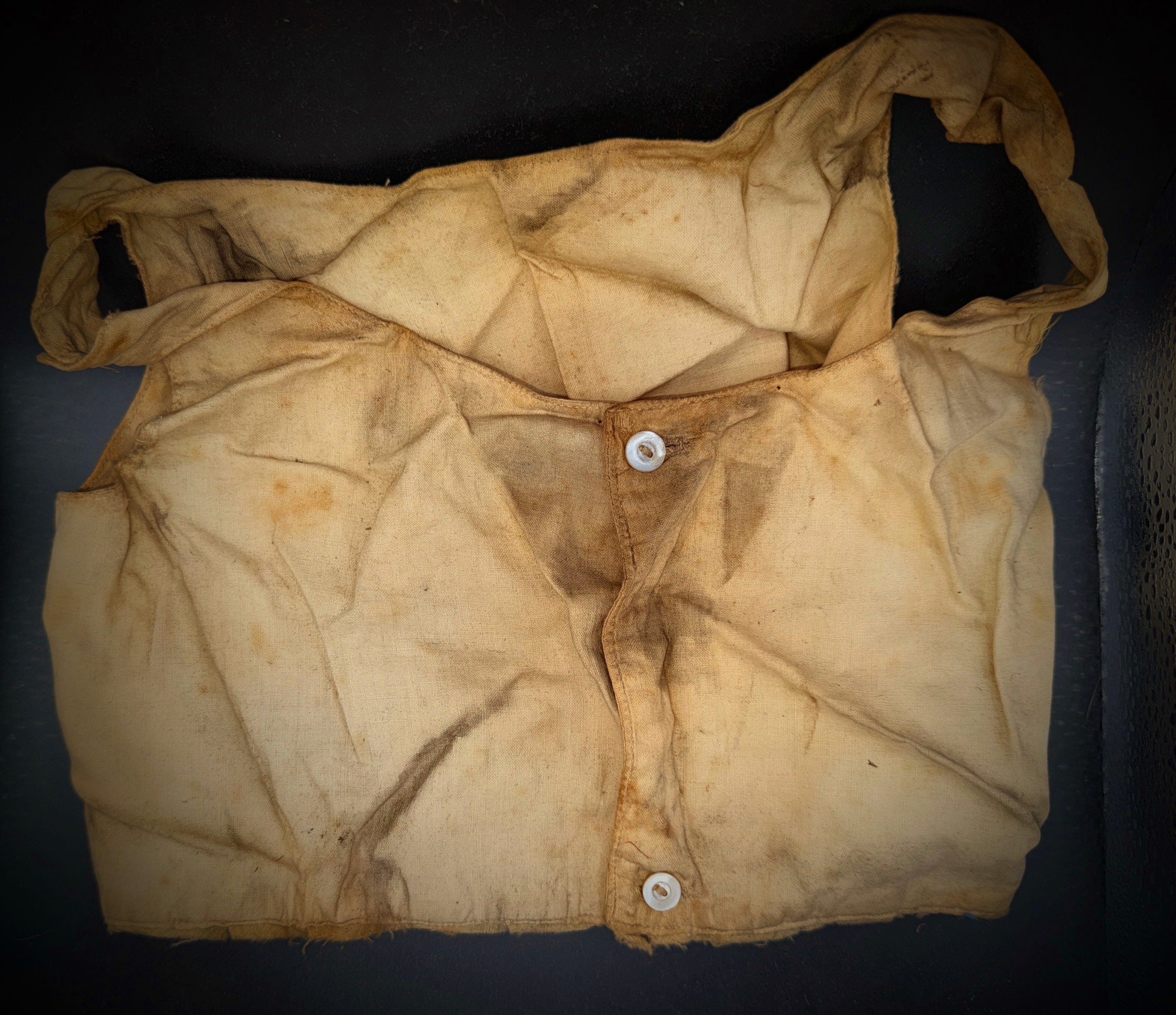
The corset appears to be a Ferris “American Girl” corset (Style 96), an early-1900s garment marketed as a more flexible, everyday alternative to traditional corsetry. I am still trying to find out more about Style 96 specifically but It for sure reflects practical daily wear rather than luxury fashion.
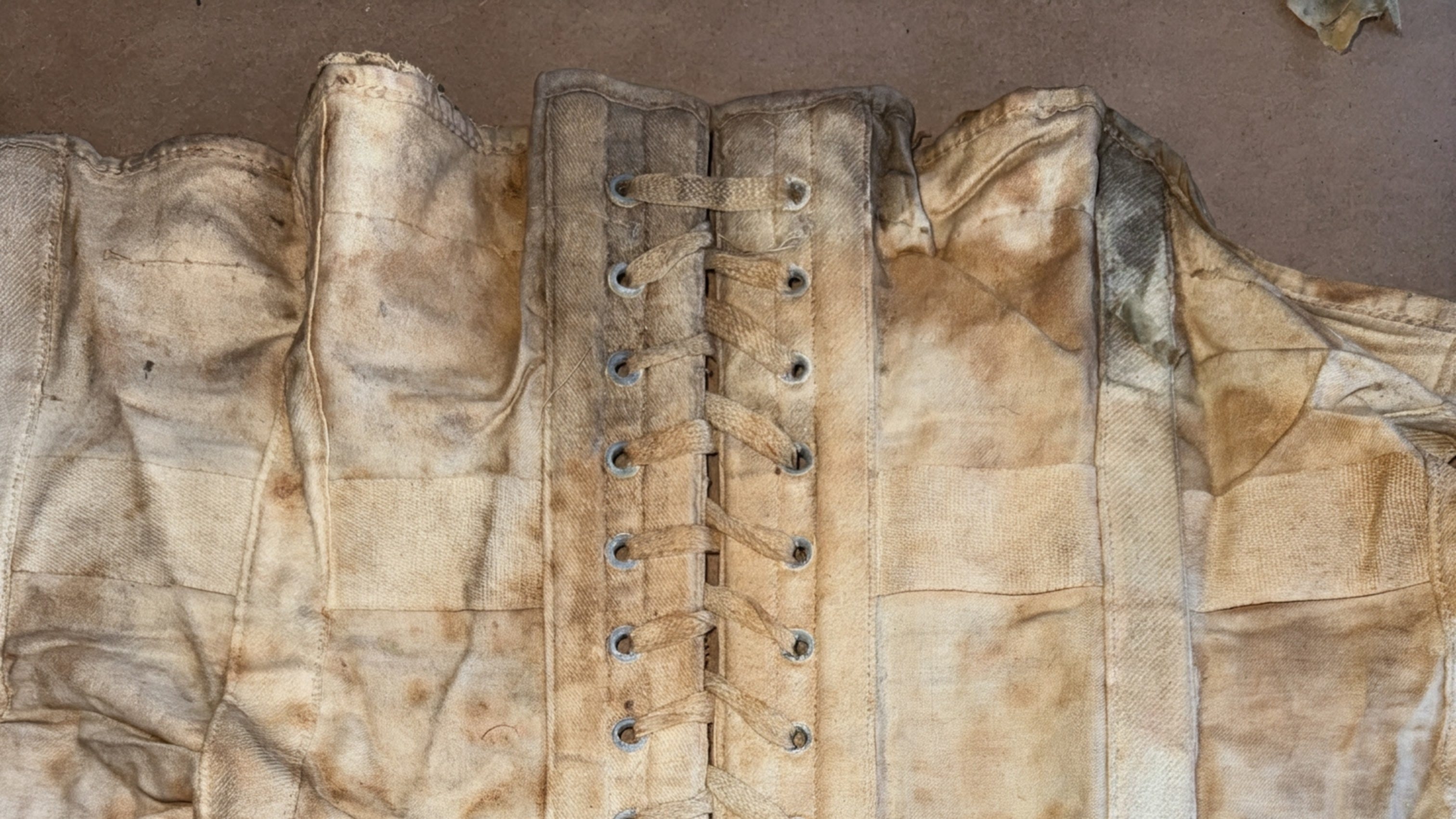
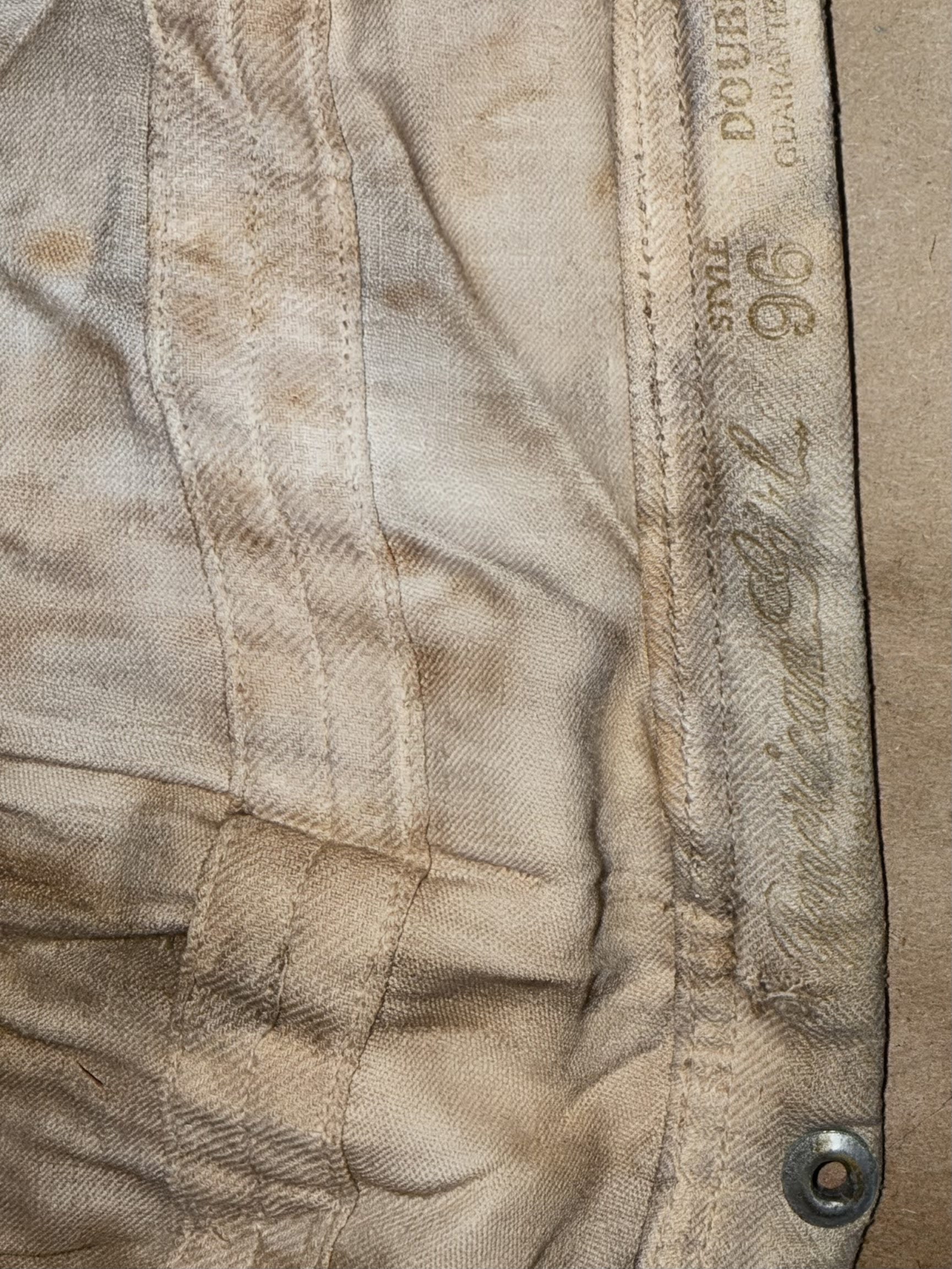
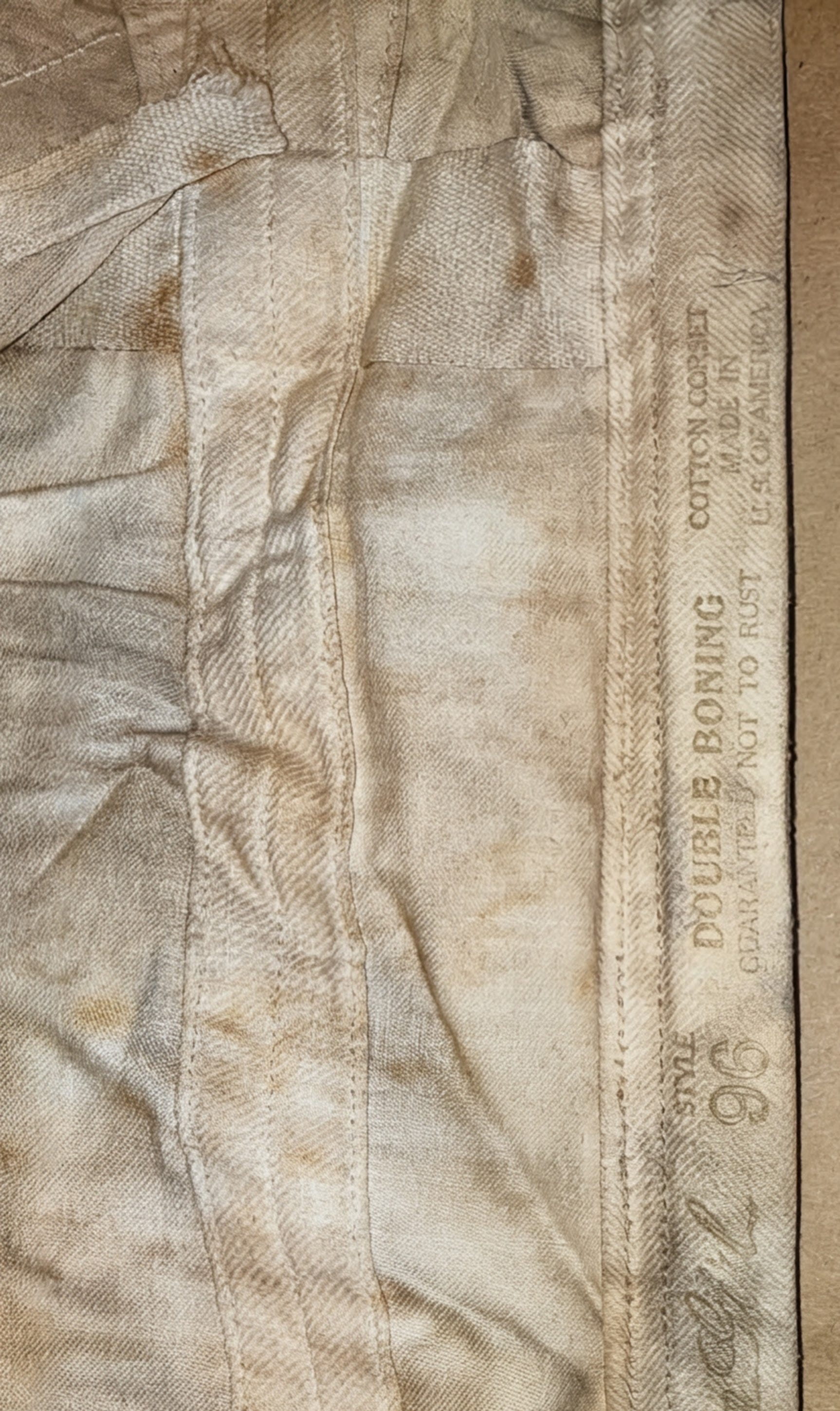
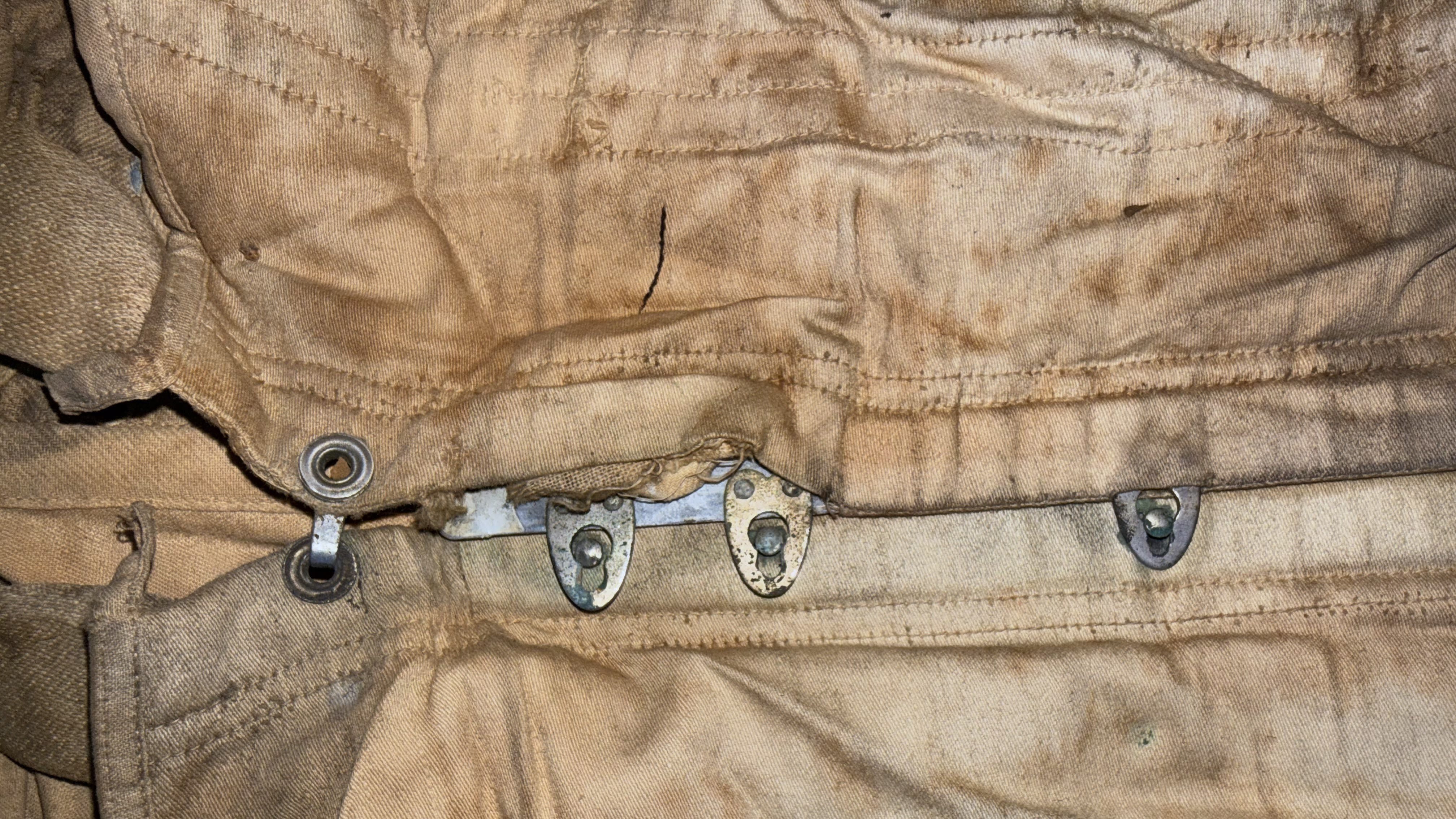
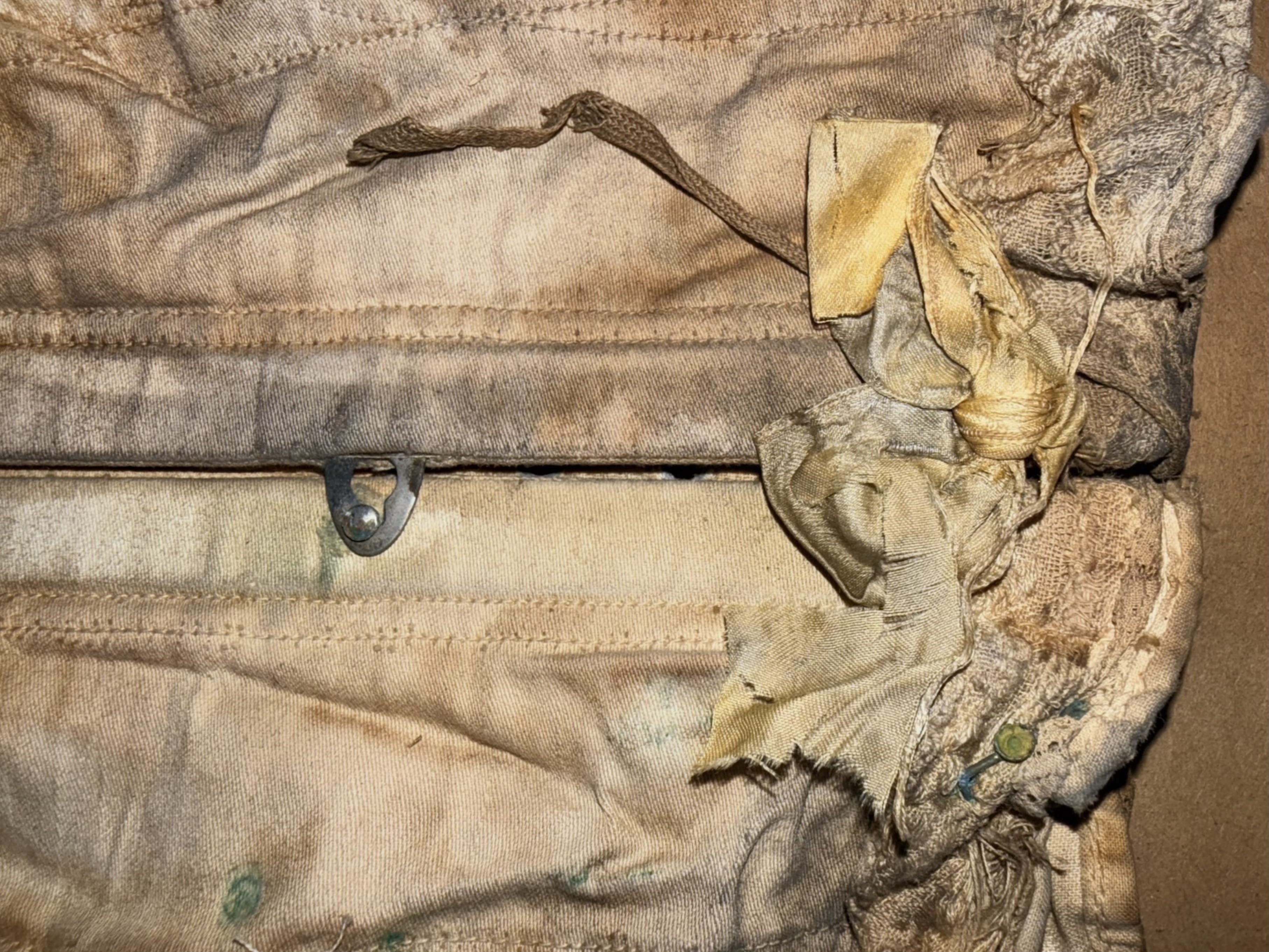
Some of the tiny shirts we found are clearly infant-sized, while the stockings and socks appear to be mixture of child and adult-sized and heavily repaired.
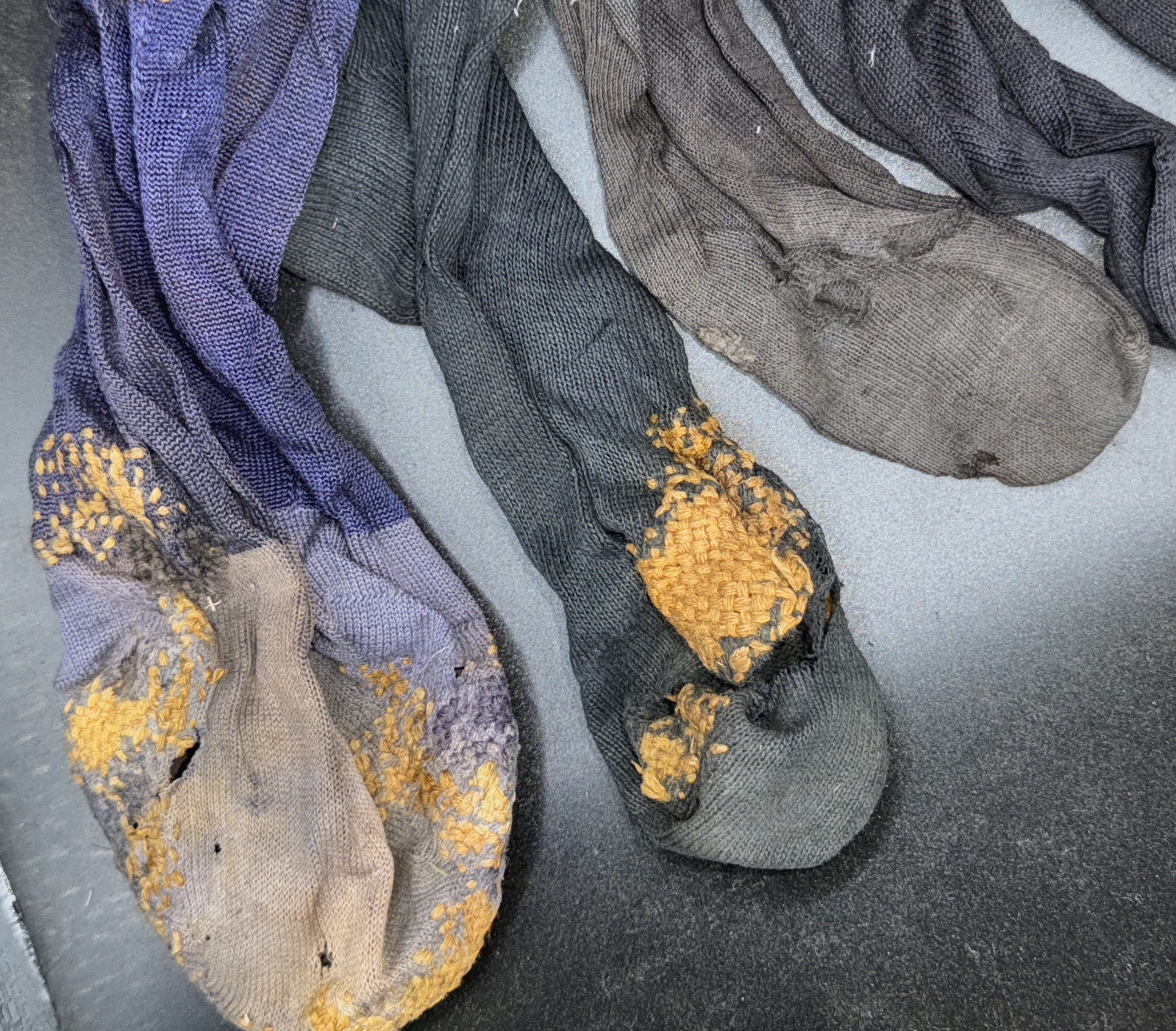
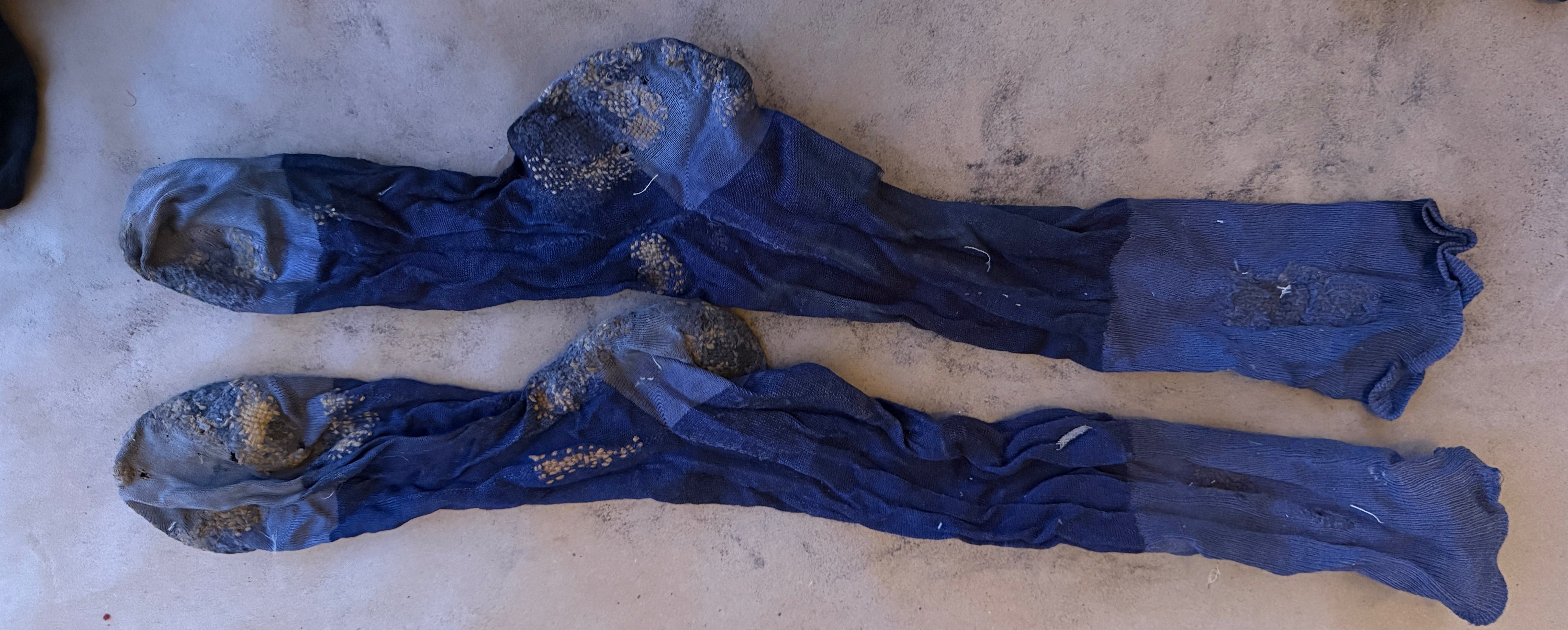
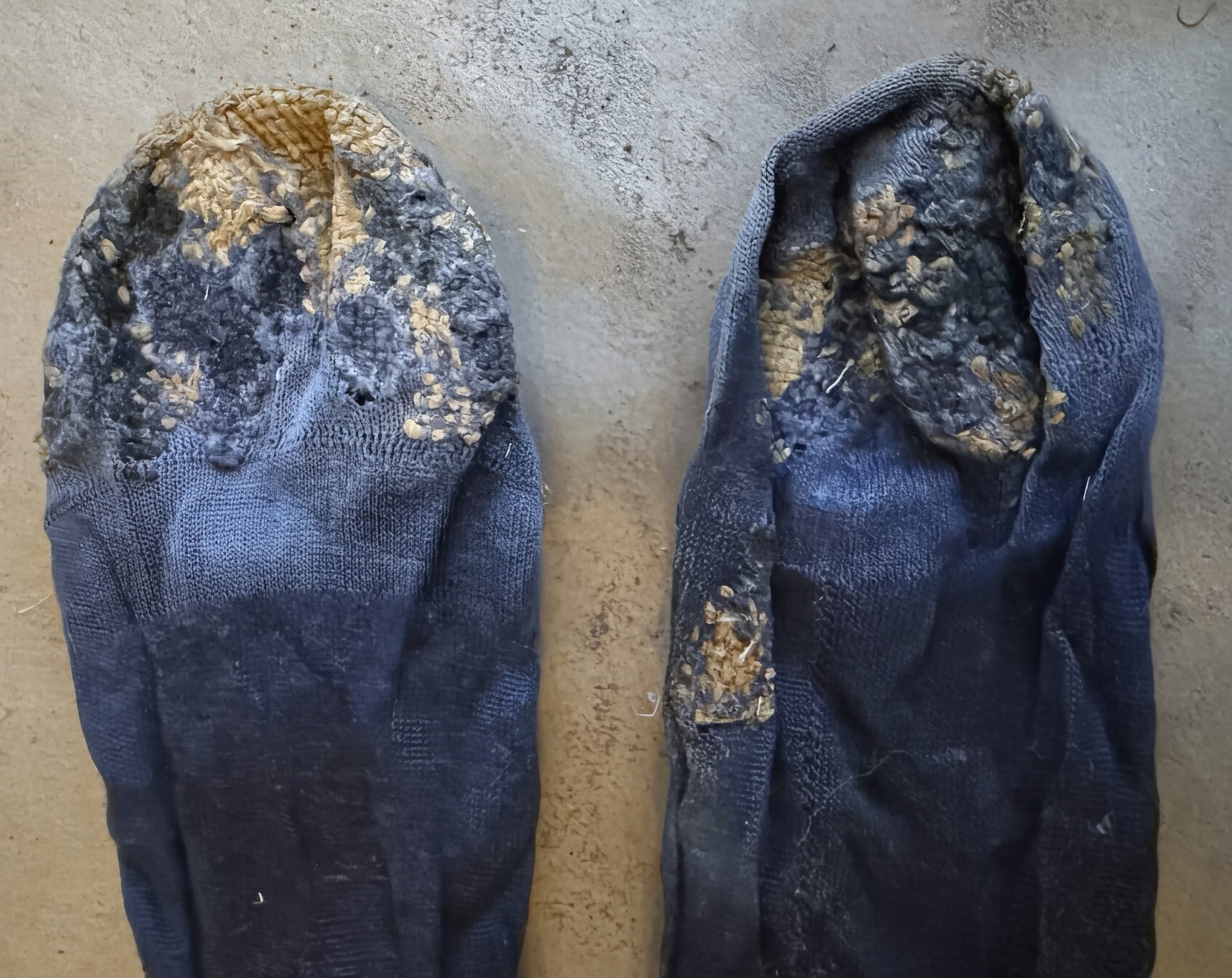
The visible darning is especially striking and gives a real glimpse into the repair culture of the time, when clothing was routinely patched and maintained rather than replaced.
These artifacts ( I use this term very intentionally) illustrate a simple slice of life, a rare glimpse into the post industrial rise of the middle class street car suburb, a place where usefulness mattered more than appearance.
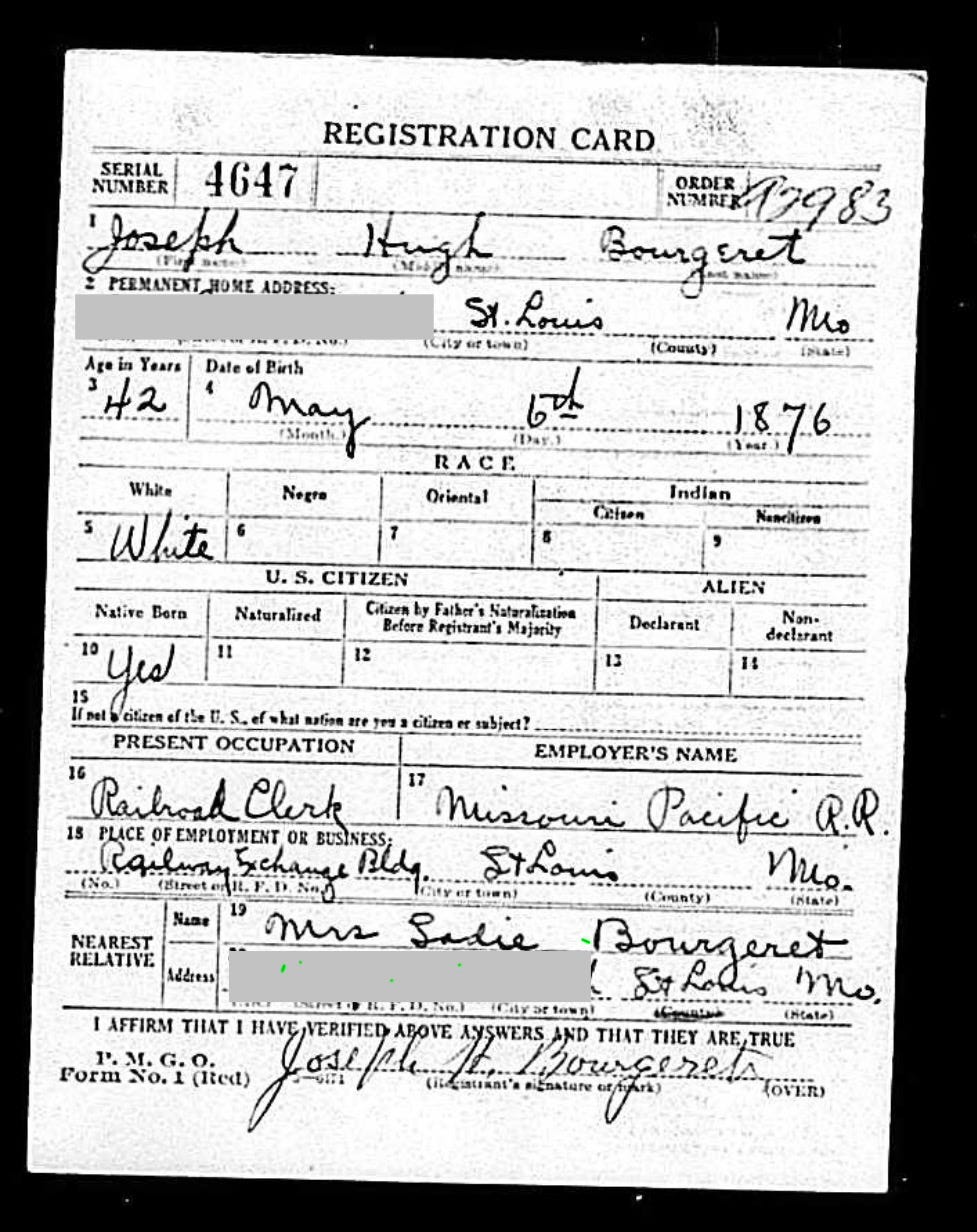
Historical records show the house was long owned by the family of a railroad clerk, and that working-class continuity seems reflected in what we found.
Through that research we’ve also identified a likely connection to a woman named Sadie, a resident who lived in the home for decades. While we can’t definitively attribute the items to her, the timeline and household history make her a strong candidate.
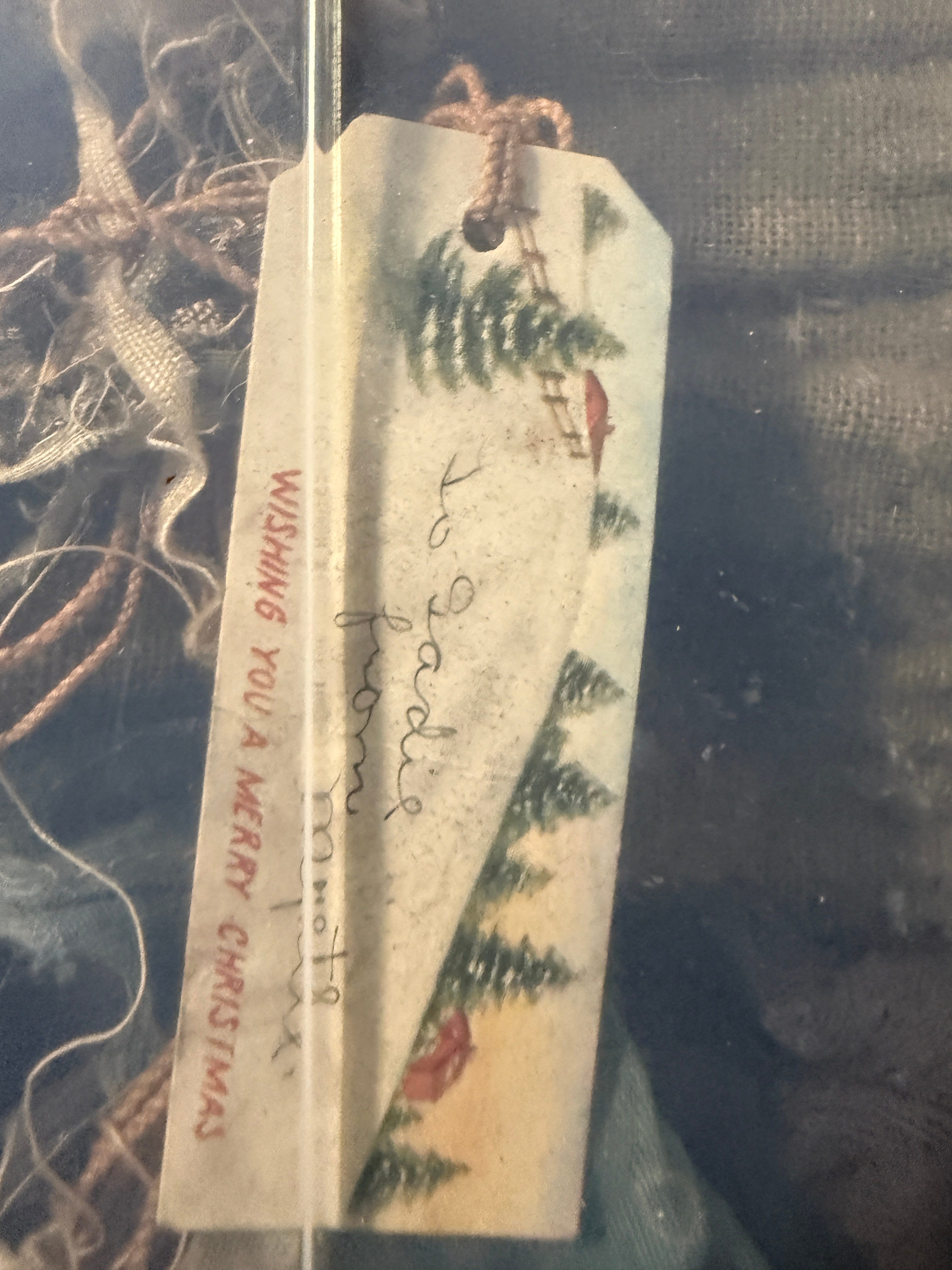
The infant garments may reasonably relate to her daughter Maude, who was born around the time the family first occupied the house. Families often saved baby clothing for sentimental reasons, and it wasn’t unusual for such items to remain tucked away for decades before eventually being repurposed or simply forgotten.
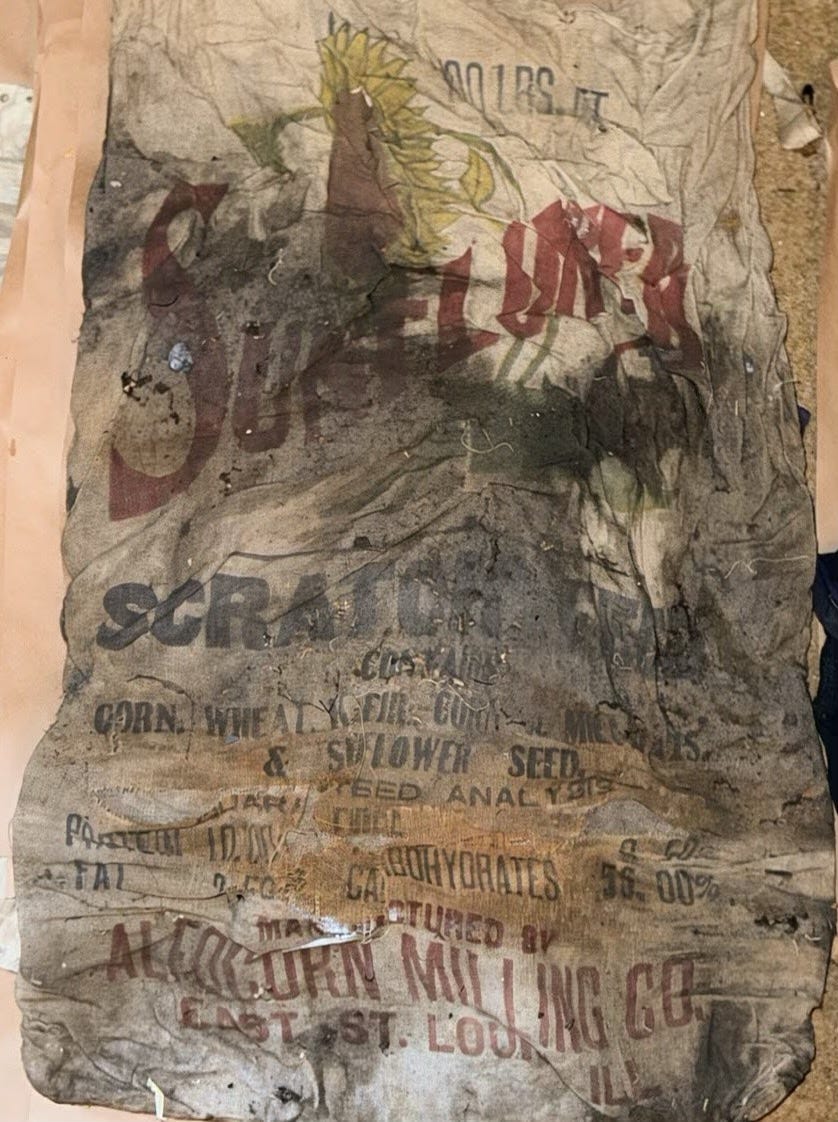
The decorative feed sack from the Alfacorn Milling Company of East St. Louis that contained everything reinforces the theme of reuse. Its placement wedged between joists above the foundation suggests it may have been used to block drafts or provide insulation rather than being intentionally hidden.
More textiles still need to be photographed and documented, so this story is definitely still unfolding. We’ll continue sharing updates as we learn more.